
8 October 2026
Do You Need Planning Permission To Re-Roof In Dartford?
Re-roofing in Dartford: when like-for-like needs no planning, where the conservation area and Article 4 rules bite, and the Building Regs 25% and 50% limits.
“Do we need to tell the council?” It’s one of the first things people ask when their roof is coming off. For most Dartford houses the answer is no on planning and yes on Building Regulations, which surprises a lot of homeowners. The two are separate systems with separate rules. Planning is about how the roof looks. Building Regs are about how it’s built, how much it weighs and how well it keeps the heat in. Dartford town has just one conservation area, covering about 22 hectares of the centre and 36 listed buildings, and a couple of West Hill addresses carry their own Article 4 directions. Then there’s the 25% and 50% rule that decides when building control gets involved. This guide walks through planning permission and Building Regulations for re-roofing in Dartford, street by street where it matters, so you know what to ask before the scaffold goes up.
Like-for-like: why most Dartford re-roofs need no planning
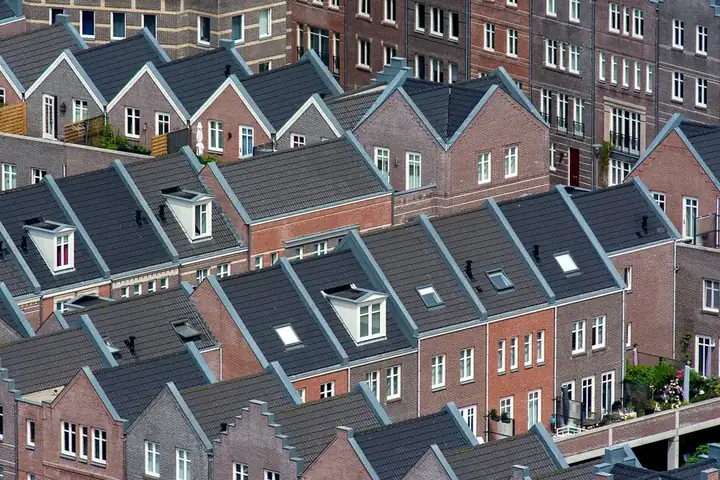
Planning law in England gives houses permitted development rights. Under those, work to a roof that doesn’t materially change how the house looks from outside usually needs no planning application. Same shape, similar colour, similar material. That covers the bulk of re-roofs we see on Dartford’s 1930s semis and postwar terraces.
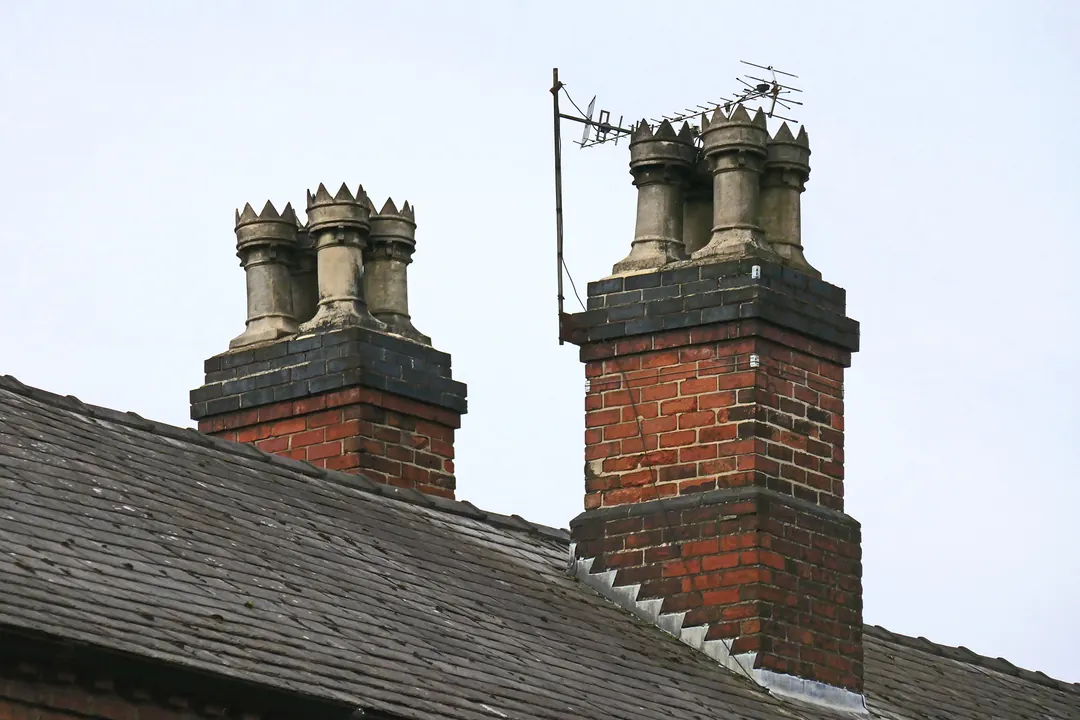
The Planning Portal’s guide to roof work on a terraced house puts it plainly, and it also flags who should check first: flats, listed buildings and homes in conservation areas. Flats are worth a note, because permitted development rights for houses don’t extend to them. If you own a flat in one of the town centre conversions, speak to your freeholder and the council before booking anything.
What counts as “materially” different? Swapping grey concrete interlocking tiles for near-identical grey concrete tiles is fine. Replacing a slate roof with bright red pantiles is not like-for-like. If you’re weighing up options for a full re-roof in Dartford, this is the first conversation to have with your roofer.
Dartford Town Centre conservation area
Dartford Borough Council designated the Town Centre conservation area on 31 October 1980. It runs to about 22 hectares and holds 36 listed buildings, including Holy Trinity Church on the High Street, which is Grade I. It is the only conservation area in Dartford town. There isn’t one at West Hill, on Darenth Road or on the Heath.
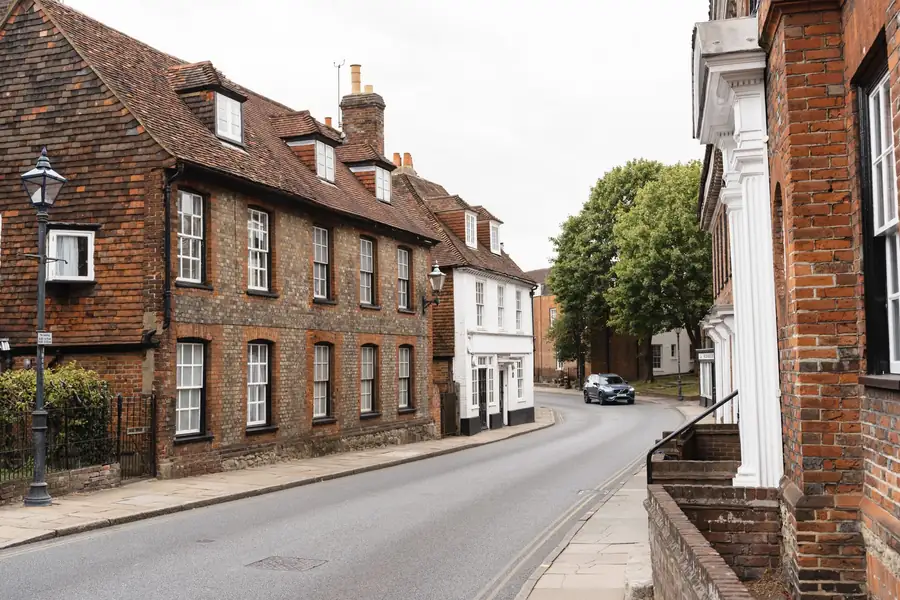
Inside the conservation area, the bar for “no material change” gets higher. Materials, colours, ridge details and even the type of dry verge can draw comment. Keep the same covering and the same detailing and you’ll usually be fine. Change anything visible and it’s worth a quick check with the council’s planning team first. An email costs nothing. A retrospective application costs time and money.
West Hill: Article 4 directions and listed buildings
Two West Hill addresses have Article 4 directions on the national planning dataset: Nos 31 to 35, made in 1983, and Hampden Place at 73 to 87, made in 1980. An Article 4 direction takes away some permitted development rights so the council can control changes that would otherwise go ahead without an application.
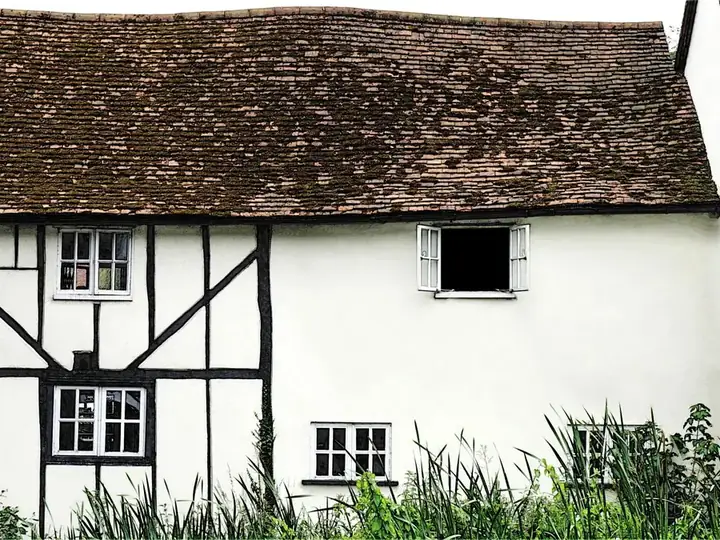
Here’s the awkward bit. The public dataset doesn’t say which rights those West Hill directions remove, so we can’t tell you whether roofing is caught. If you live at one of those addresses, ask Dartford Borough Council before you change the covering.
Listed buildings are a different matter again. Nos 21, 23 and 25 West Hill are listed 18th-century houses in stock brick, and there are others scattered through the centre. Listed building consent is needed for works that affect the character of the building, and a roof is a big part of that. Like-for-like repairs with matching materials are often acceptable. A full strip with new materials needs a conversation with the conservation officer first.
Outside the town: Bexley, Sevenoaks and the Ebbsfleet area
Not every house with a Dartford postcode, or near one, falls under Dartford Borough Council. If you’re in Crayford, Bexley Village or Erith, planning goes to the London Borough of Bexley. Swanley is Sevenoaks District Council.
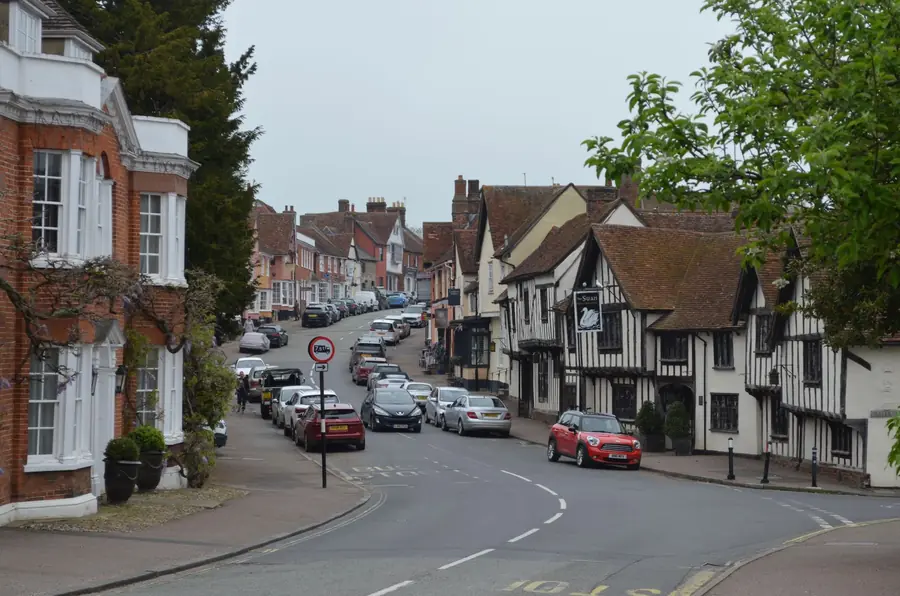
Old Bexley is the one to watch. Its conservation area has an Article 4 direction that brings changes of roofing material under council control, which makes it the strictest place for roofing anywhere near us. Swanley Village has its own conservation area too, inside the Green Belt.
Closer to home, Greenhithe has a conservation area designated in 1975 with an Article 4 direction from 1984. Wilmington has the Church Hill conservation area. And at Castle Hill, Eastern Quarry and the Swanscombe Peninsula, planning decisions sit with the Ebbsfleet Development Corporation rather than Dartford. Old Swanscombe and Greenhithe village stay with Dartford Borough Council. It’s worth knowing which office you’d be dealing with before you ring the wrong one.
Building Regulations: the 25% and 50% lines
This is where people get caught out. Planning might not care about your new roof, but Building Regulations very often will.
The Planning Portal’s Building Regulations guidance on existing roofs says a building control application isn’t normally needed if the work affects less than 25% of the building’s total envelope and less than 50% of the roof itself. Go past either line and you need approval. On a typical Dartford semi, re-covering the whole roof will go past the 50% mark. So a full re-roof is a notifiable job in most cases, even when planning isn’t involved at all.
Approval is also needed where the work alters the structure, for example taking out a purlin or changing the roof shape. Ask your roofer who’s handling the building control side and what certificate you’ll get at the end. You’ll want it when you sell.
Heavier tiles and the slate-to-concrete swap
So can you change materials? Sometimes. But weight is the thing to think about first.
Building control approval is needed if the new covering makes the roof 15% heavier or more. Older slate roofs were often built with lighter timbers, because slate is thin. Put heavy concrete interlocking tiles on the same rafters and you can overload them. Planning Portal guidance says a change of material, such as slate to tile, is likely to need approval for that reason. Expect a structural check, and possibly extra timber, before the new covering goes on.
The reverse swap catches people too. On a terrace where one house was re-roofed in concrete decades ago and the neighbour still has slate, matching back to slate can look better and keep the street consistent. Your roofer should talk you through both before you choose.
Insulation and rooflights when the roof is open
Planning Portal treats a roof as a thermal element. In practice, re-covering a roof should usually include bringing the insulation up to current standards. Your roofer and building control will agree how: more insulation at ceiling level, or insulation between and over the rafters if you use the loft as a room.
A re-roof is also the easiest time to add rooflights. Under permitted development they’re allowed if they stick out no more than 150 mm from the roof plane and sit no higher than the highest part of the roof. Any on a side-facing slope must be obscure-glazed and either fixed shut or more than 1.7 metres above the floor inside. In a conservation area or on a listed building, check first. Our roof windows page covers the fitting side.
Party walls on Dartford terraces
Most Dartford roofs are shared. The party wall runs up through the loft, and often a shared chimney stack sits on top of it.
A straight re-cover often doesn’t touch the party wall at all. But if the job means cutting into it, building it up, or taking down or rebuilding a shared stack, the Party Wall etc. Act 1996 may apply, and you’d normally need to give your neighbour notice. The government’s party wall guidance sets out the notice periods and what happens if a neighbour disagrees. Scaffold that needs to sit on next door’s side needs their agreement too, regardless of the Act.
Talk to your neighbour early. It’s easier to agree scaffold, skip space and timings over the fence than through letters. If you’re still lining up who’ll do the work, our guide to choosing a roofer in Dartford covers what a proper quote should include, from membrane to building control.
Every re-roof we carry out comes with a written 10 year guarantee. Before any of that, we’ll survey for free and tell you straight whether your job needs planning, building control or both. Book a free re-roofing survey in Dartford.
Frequently asked questions
Do I need planning permission to re-roof my house in Dartford?
Usually not, if the new roof looks materially the same as the old one. Listed buildings, flats and homes in a conservation area such as Dartford Town Centre should check with Dartford Borough Council first, and an Article 4 direction can remove the usual permitted development rights.
Does a full re-roof need Building Regulations approval?
Normally yes. Planning Portal guidance says an application isn't usually needed only if the work affects less than 25% of the building envelope and less than 50% of the roof. A full re-roof goes past that, and the roof will usually need its insulation brought up to current standards.
Can I swap my slate roof for concrete tiles?
Possibly, but it is rarely as simple as ordering different tiles. Changing the covering material is likely to need Building Regulations approval, and if the new roof is 15% heavier or more the structure has to be checked. In a conservation area or on a listed building it may need consent too.
Which council handles planning for Crayford, Bexley and Swanley?
Crayford, Bexley and Erith fall under the London Borough of Bexley. Swanley is handled by Sevenoaks District Council. Wilmington, Stone, Greenhithe, Swanscombe and Longfield stay with Dartford Borough Council, apart from sites inside the Ebbsfleet Development Corporation area.
Want a Dartford roofer to look at yours?
A roofer will come out, check it from the loft and the outside, and give you a written price. Dartford, Crayford, Bexley, Swanley and nearby.