
8 October 2026
New-Build Roofs In Dartford After The NHBC Warranty Ends
Your 2000s new-build roof in Dartford is past its 10-year NHBC cover. Dry-fix ridges, loft condensation, valleys: what a roofer checks and who pays now.
Ten years goes quickly. If you bought a new house at The Bridge or Ingress Park when they were being built in the 2000s, your roof is now somewhere between 15 and 25 years old. The NHBC Buildmark policy that came with it has almost certainly run out. That doesn’t mean anything is wrong. It does mean that if something goes wrong now, it’s yours to sort. There are a lot of homes in this position around Dartford. George Wimpey built 1,134 at The Bridge on the old Joyce Green Hospital land, and Crest Nicholson’s Ingress Park in Greenhithe added roughly 1,450 to 1,500 more around Ingress Abbey. Ebbsfleet has since passed 5,000 completed homes. Below is what tends to need attention on a new-build roof of that age, how to check it, and who’s responsible once the warranty is gone.
Ten years on: where your new-build roof actually stands
New-build roofs from the 2000s and 2010s aren’t badly made as a rule. But they were built quickly, at volume, with systems that were newer then than they are now. Some details that looked fine at handover only show their weakness after a decade of wind, sun and settlement.
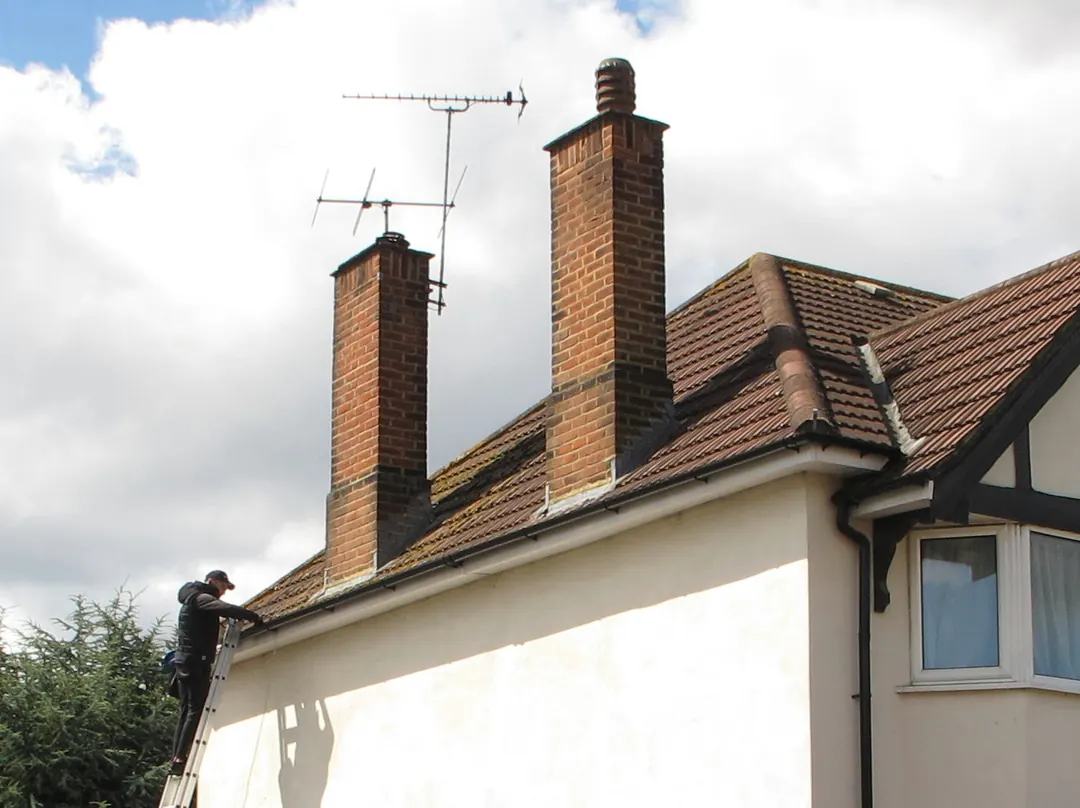
We’re not saying any particular Dartford estate has a problem. We haven’t seen evidence of that and we wouldn’t guess. What we can say is what roofers commonly find on houses of this era in general, and that a look now costs far less than a ceiling later.
Some of it you can check yourself, without a ladder. Stand across the road with a pair of binoculars on a bright day. Look along the ridge for a straight line and even gaps. Look at each gable end for verge caps that sit crooked or have gone missing. Then go round the back and check the gutters for tiles, moss or grit washed down off the roof, because granules in the gutter mean the covering is wearing. Inside, a torch in the loft after heavy rain tells you more than any guesswork.
If you’ve never had the roof looked at since you moved in, book a roof inspection in Dartford before the next run of winter storms. Ask for photos of what’s actually up there. They’re more useful than any amount of guessing from the garden.
What NHBC Buildmark covered, and when it stopped
Buildmark is the warranty most new homes of that era came with. It isn’t one block of cover. It’s two stages.
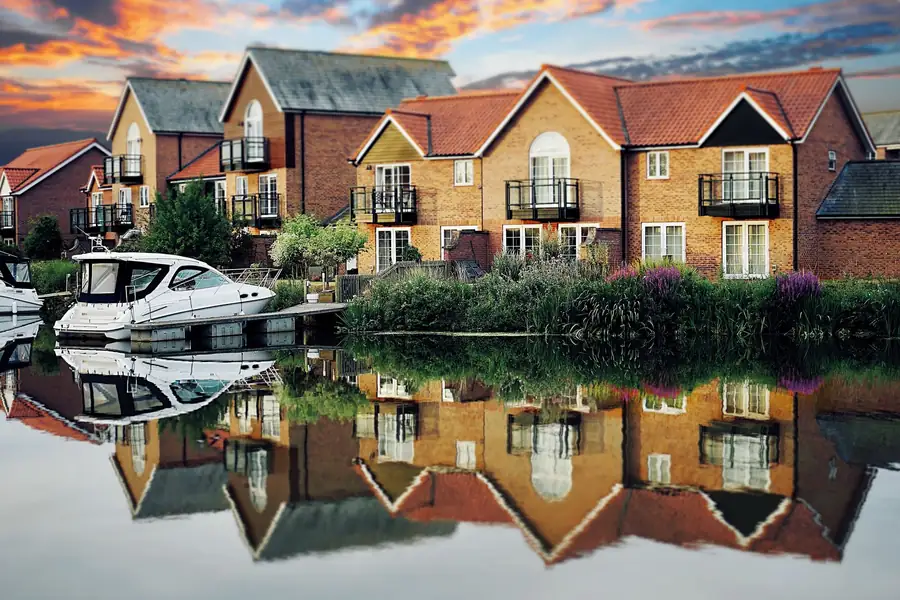
According to NHBC’s own explanation of Buildmark cover, the builder is responsible for putting right defects for the first two years from legal completion, with NHBC standing behind that. From years three to ten, NHBC provides insurance for the cost of repairing damage caused by defects in specific parts of the home listed in the policy. The policy excludes wear and tear, gradual deterioration, neglect and a lack of maintenance. Storm damage is excluded too. That belongs on your home insurance.
So by year eleven there’s nothing left to claim against. And even inside the ten years, a ridge tile working loose through age would likely have counted as wear rather than a defect. Your own policy document is the one to read if you’re unsure what it said about your roof.
Dry-fix ridges and verges: the usual first suspects
Lots of new builds from this period have dry-fix ridges and dry verges. Instead of mortar, the ridge tiles are held with clips and screws over a ventilated roll, and the gable edges are finished with interlocking plastic caps.
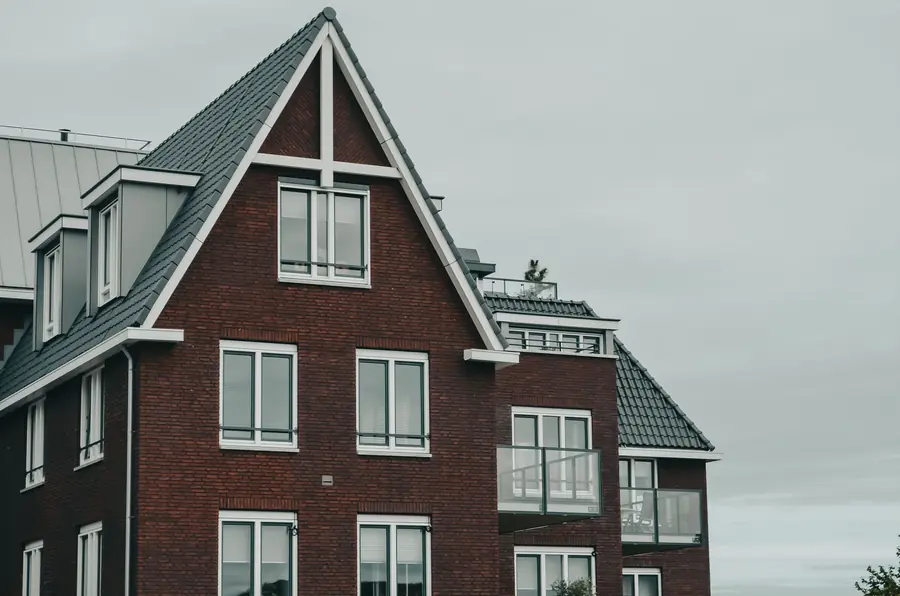
Done properly, a dry-fix system is a good thing. The 2014 revision of BS 5534 stopped relying on mortar alone to hold ridge and hip tiles, and mechanical fixing is now the standard. The trouble on some older installs is in the detail. A clip left out here, a screw that missed the timber there, plastic caps that have gone brittle in fifteen summers of sun. You won’t see that from the ground until a verge cap ends up on the lawn.
Wind is what finds it. When storms like Eunice in February 2022, or Henk, Isha and Jocelyn in January 2024, were strong enough to shut the QEII Bridge, loose verges and ridges across north Kent got tested hard. A roofer checking yours will look for rattling caps, gaps along the ridge line and any tile that moves when it shouldn’t.
Ventilation and condensation in the loft
So what about the inside? Open the hatch on a cold morning and look at the underside of the membrane. Droplets, black spotting on the timber or damp insulation all point the same way: moist air is getting in and not getting out.
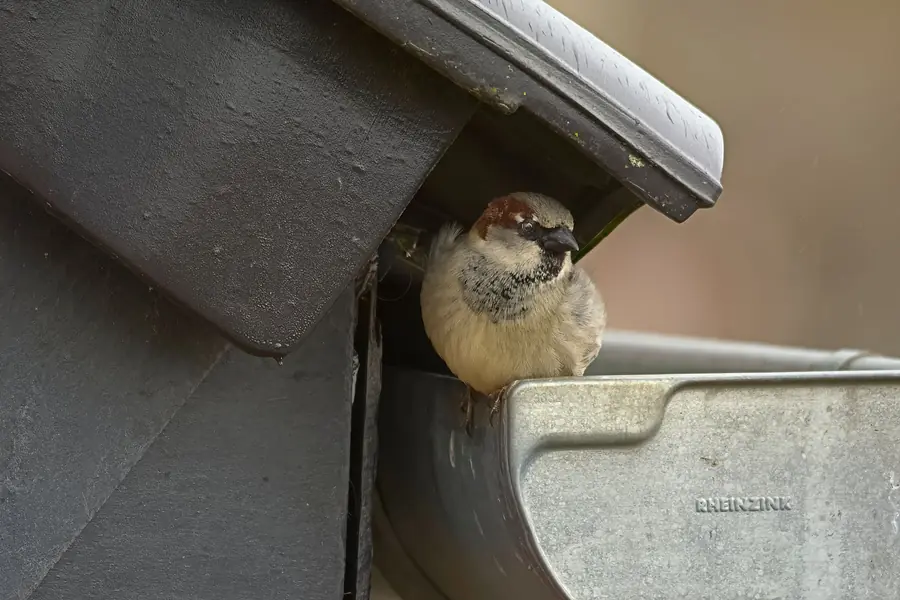
On new builds the causes are usually ordinary. Insulation gets pushed hard into the eaves and blocks the vents. Loft hatches don’t seal, and nor do recessed downlights. Bathroom extractor fans are sometimes ducted into the loft rather than through the roof or wall, and that one pumps steam straight onto the cold timbers. Birds can block eaves vents too, which is less of a joke than it sounds.
Dartford isn’t wet, as English towns go. The Met Office station at East Malling averages around 670 mm of rain a year against a UK average of 1,163 mm, according to the Met Office’s 1991 to 2020 climate averages. So damp in a loft here is far more often condensation from inside than rain from outside. That’s good news. It’s usually cheaper to fix.
Valleys, abutments and the details that leak first
New-build estates love a varied roofline. Townhouses step up and down, garages butt against houses, and two roof slopes meet in a valley. Every one of those junctions is a place water can get in if the detail was rushed.
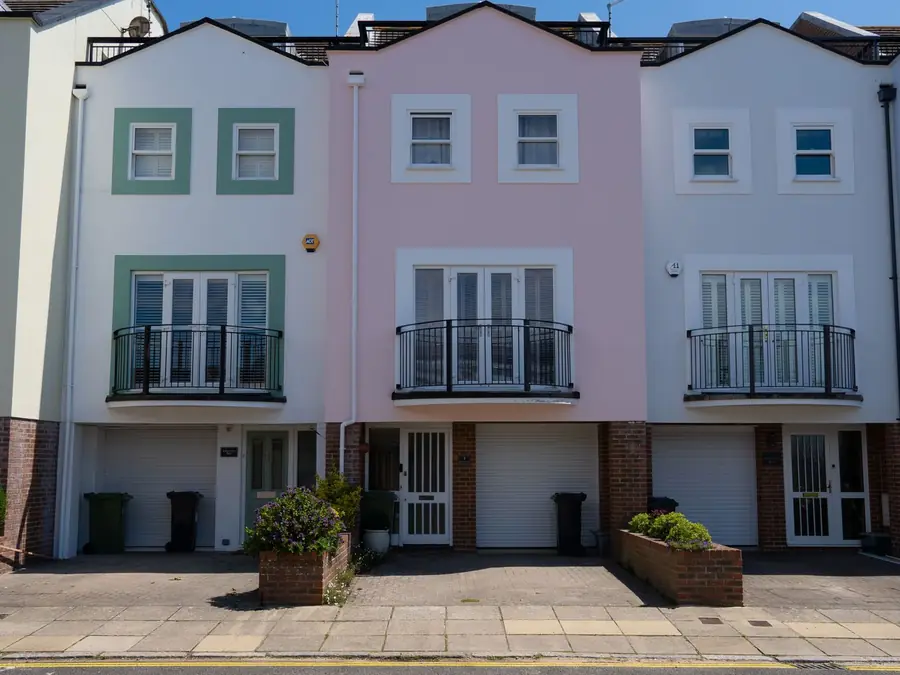
Valleys on houses of this age are often preformed dry troughs, sometimes with cut tiles bedded either side. Check for cracked mortar, tiles slipping into the valley, and moss or leaves piling up where the trough narrows. Where a lower roof meets a taller wall, look for the flashing. It should be tucked properly into the brickwork, and stepped where needed. Water staining on the ceiling below a garage roof or a bay is often traced back to a junction like this, not to the main slope at all.
Gutters belong on the list as well. A sagging run at the back of a terrace, or a joint that drips onto the wall, will mark brickwork long before it causes a leak inside.
Who pays now, and what to do next
Once Buildmark has ended, repairs to a house are the owner’s responsibility. If the damage came from a named storm, your home insurer may cover it, though most policies exclude wear and gradual deterioration.
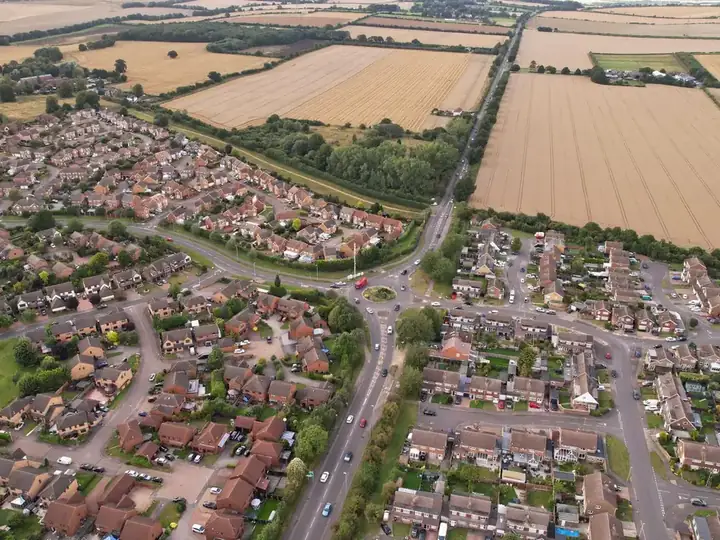
Not every home round here is out of warranty yet. A lot of the homes going up in the newer Ebbsfleet villages, Ashmere and Alkerden among them, are still inside their ten years. If that’s you, report a roof defect to the builder in writing during the first two years. After that, read the Buildmark policy and contact NHBC if you think the problem is a defect rather than wear. Get it looked at while there’s still cover to claim on.
Flats work differently. In most blocks the roof belongs to the freeholder, and the management company arranges repairs and recovers the cost through the service charge. Read your lease, report problems in writing, and keep copies.
For houses, the sensible step is a one-off check now, then a quick look every few years. If something does need replacing in a bigger way, our guide to planning permission and Building Regulations for re-roofing in Dartford explains when building control gets involved. Most new-build roofs need nothing like that. A few verge caps, a re-fixed ridge, some cleared vents.
We’ve done more than a thousand roofing jobs, on new houses and old ones. Surveys and written quotes are free, and we’ll tell you plainly if nothing needs doing. Arrange a free roof survey in Dartford.
Frequently asked questions
Does NHBC Buildmark cover my roof after ten years?
No. Buildmark runs for ten years from legal completion. The builder is responsible for most defects in the first two years, and NHBC insurance covers damage caused by defects in specific parts of the home in years three to ten. Once the policy ends, repairs are down to the owner.
What is a dry-fix ridge and why does it fail?
A dry-fix ridge holds the ridge tiles with clips, screws and a roll of ventilated material instead of relying on mortar. Fitted well, it should outlast mortar. Where clips were missed, screws weren't driven into the timber properly, or plastic parts have gone brittle, ridge and verge pieces can work loose in strong wind.
Why is there condensation in my new-build loft?
Usually because warm, damp air from the house is getting into the loft and can't get out. Common causes are insulation pushed into the eaves and blocking the vents, unsealed loft hatches and downlights, and bathroom or kitchen extractor fans that vent into the loft instead of outside.
Who pays for roof repairs on a new-build flat in Dartford?
In most blocks of flats the roof belongs to the freeholder, and repairs are arranged by the freeholder or management company and paid for through the service charge. Check your lease, because it sets out exactly who is responsible for the roof structure and covering.
Want a Dartford roofer to look at yours?
A roofer will come out, check it from the loft and the outside, and give you a written price. Dartford, Crayford, Bexley, Swanley and nearby.